
Why Shock Absorbers Matter
Shock absorbers are one of those suspension components that people don't think much about until something goes wrong. You'll notice a bouncy ride, hear clunking sounds, or feel your vehicle pull to one side. That's usually when you realize they need attention.
The thing is, worn shocks affect more than just comfort. They impact your braking distance, tire wear, and overall safety. A shock absorber that's lost its damping ability can't control the spring motion effectively, which means your tires don't stay in consistent contact with the road.
The Replacement Process: What Actually Happens
Diagnostic Inspection
We start by examining your vehicle on a lift. This isn't just a quick look — we're checking for oil leakage on the shock body, testing the bounce response, and inspecting the mounting hardware. A good shock should control the spring rebound within one or two bounces. If it keeps bouncing, that's your answer right there.

Part Selection
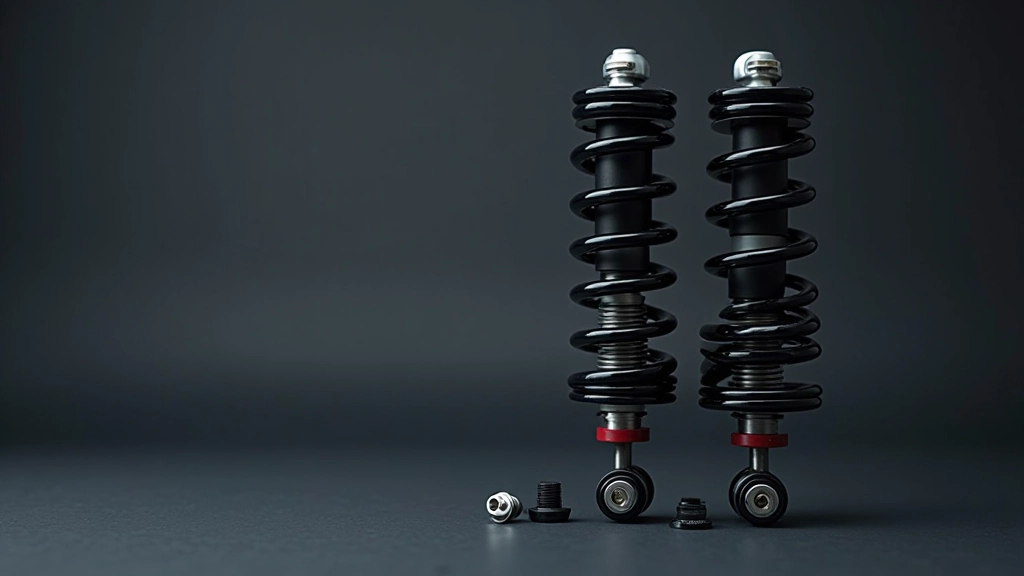
Once we've confirmed they need replacing, we discuss your options. OEM (original equipment manufacturer) shocks maintain factory specifications exactly. Aftermarket shocks offer various performance levels — some prioritize comfort, others improve handling. We'll recommend what makes sense for your vehicle and how you drive it.
Removal and Replacement
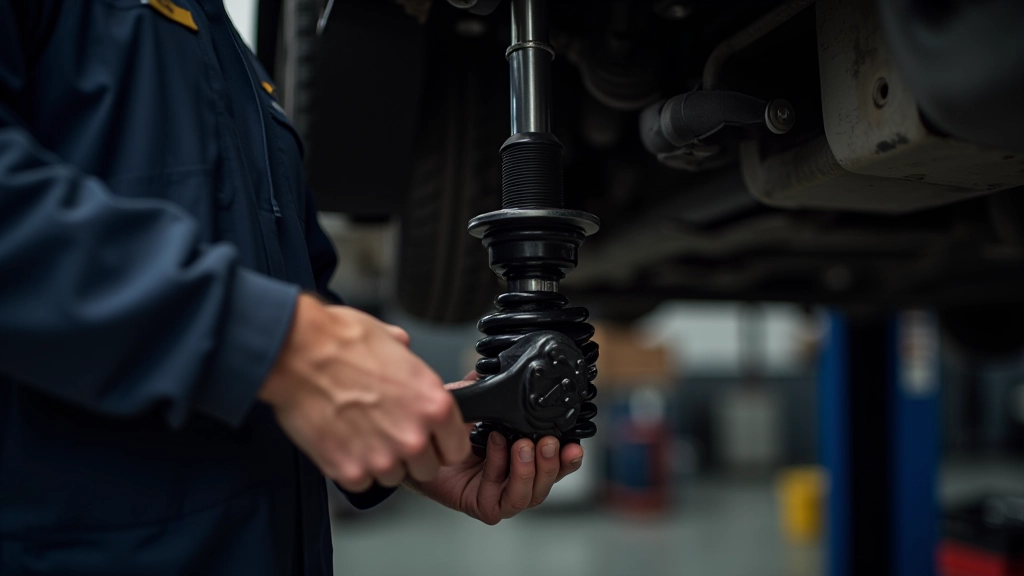
Here's where the actual work happens. We remove the wheel, disconnect the brake line bracket (if needed), and unbolt the shock from both the upper and lower mounting points. This takes time because bolts can be corroded, and you can't force them without damaging threads. Once the old shock is out, we inspect the spring and mounting hardware for wear. Then the new shock goes in, all bolts torque to specification, and we double-check everything.
Important Details You Should Know
Replace Them in Pairs
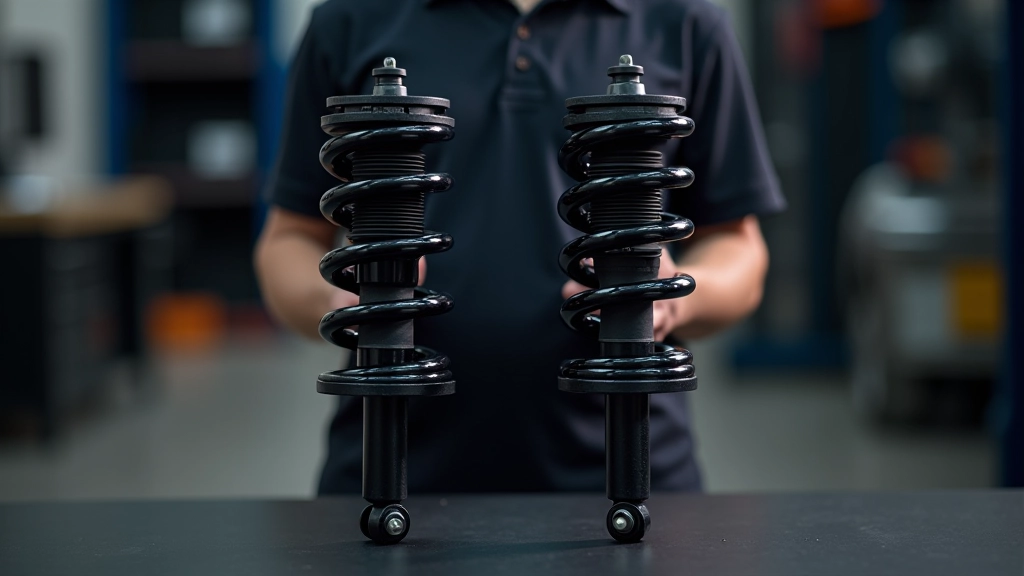
Shocks wear at roughly the same rate on each side. Replacing just one side creates an imbalance — one side controls motion better than the other, which affects handling and tire wear. Always replace both front or both rear shocks together. Some vehicles benefit from replacing all four at once if they've reached high mileage.
Timing Matters
Most shocks last between 50,000 and 100,000 kilometers, depending on driving conditions. If you do lots of rough road driving or carry heavy loads regularly, they'll wear faster. Climate also plays a role — extreme heat or cold affects the hydraulic fluid inside the shock, accelerating wear.
What You'll Notice After Replacement
The improvements are usually immediate and noticeable:
Smoother Ride
Bumps don't translate into that harsh jolt anymore. The suspension absorbs road imperfections the way it was designed to.
Better Handling
Your vehicle corners more flatly without excessive body roll. Braking feels more controlled and predictable.
Improved Tire Life
When shocks work properly, your tires wear evenly. You won't see that accelerated edge wear that happens with bad shocks.
Safety Gains
Your vehicle maintains better road contact during emergency maneuvers. That translates to shorter stopping distances and more stable handling when you need it most.
The Investment Perspective
Yes, replacing shocks costs money. But consider what you're protecting. Your tires, your brakes, your suspension geometry — all of these wear faster with bad shocks. You're also maintaining safety and ride quality. It's not a luxury upgrade; it's maintenance that keeps your vehicle working properly.
If your vehicle's showing signs of worn shocks — bouncy rides, uneven tire wear, or that feeling of floating over bumps — don't delay. The longer you wait, the more secondary damage can occur. We're here to diagnose exactly what's needed and explain the process so you know what to expect.
Important Information
This article is educational material about shock absorber replacement and suspension maintenance. It's designed to help you understand the process and what to expect when your vehicle needs this service. Every vehicle is different, and suspension systems vary based on make, model, and year. Always consult with a qualified mechanic for your specific vehicle to confirm what repairs are needed and what options are available. This information is not a substitute for professional diagnosis and repair recommendations from a trained technician.