
What Does a Failing Suspension Feel Like?
Your suspension isn't something you think about until something goes wrong. But here's the thing — it's working constantly, absorbing bumps, keeping your tires planted, and making sure you don't feel every pothole on the road. When it starts to fail, you'll notice.
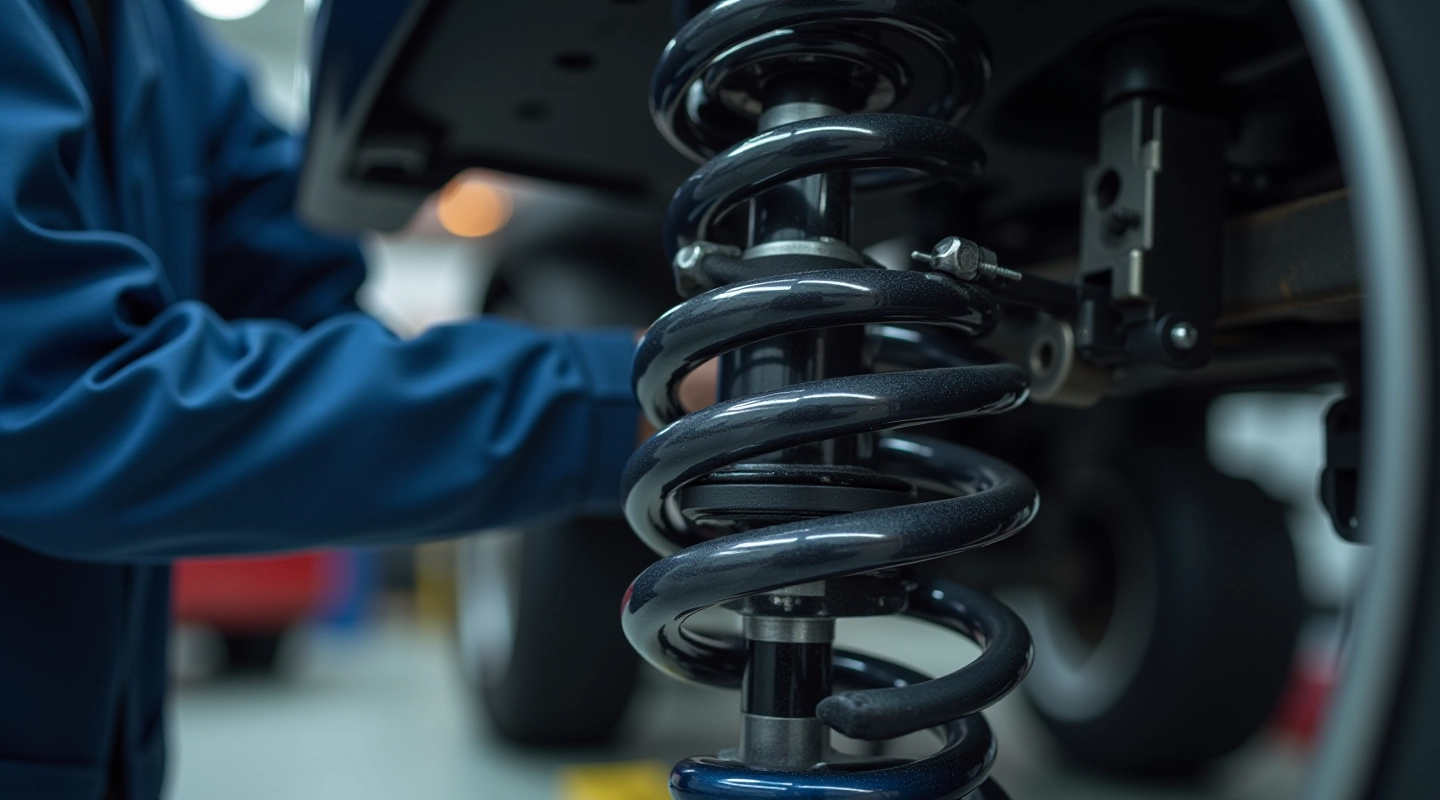
The most obvious sign? A bouncy ride. If your car feels like it's floating over bumps or bounces several times after hitting a pothole instead of settling down smoothly, your shocks or struts are probably worn out. We're not talking about a slight softness — this is noticeable, uncomfortable bouncing that keeps going.
Quick Check: Is Your Suspension Bad?
- Car bounces excessively after hitting bumps
- Steering feels loose or unresponsive
- You hear clunking or creaking sounds from underneath
- One corner sits lower than the others
- Tires are wearing unevenly or bald in spots
Uneven Tire Wear — A Clear Red Flag
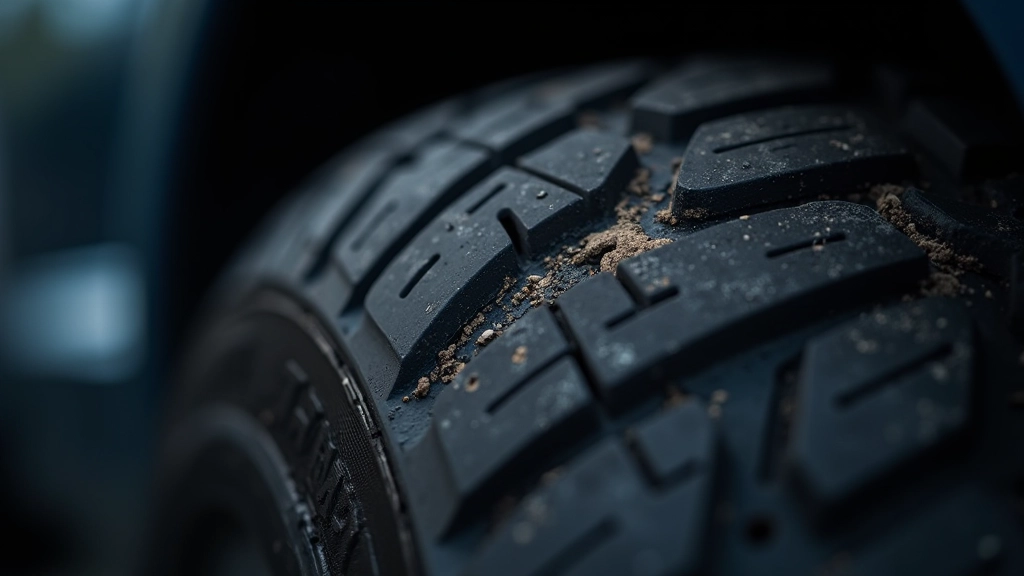
Before you hear or feel anything, your tires might be screaming for help. Suspension problems almost always show up on your tires first. When springs are worn, the car sits lower on one side. When shocks are dead, the wheels bounce excessively. Both situations cause tires to wear unevenly.
Look at the outer edges of your tires. Are they bald while the center still has tread? That's a classic sign of worn shocks — the tire edges are hitting the ground harder because the shock isn't controlling the motion. The inside edges wearing faster? Probably a suspension alignment issue caused by broken components or bent parts. Most people don't notice until they're checking their tires during a fill-up.
Strange Noises Coming From Underneath
Clunking, creaking, squeaking — these aren't normal. When you hear a dull clunk when going over bumps or turning corners, it's usually a worn-out shock mount or a loose component. Creaking sounds typically mean the rubber bushings are deteriorating. These little rubber parts connect the suspension to the chassis, and they wear out over time.
Don't ignore these sounds. They start quiet and get louder. After about 50,000 to 80,000 miles on original shocks, you might start hearing the first warning signs. Springs can last longer — sometimes 10 years or more — but shocks usually need replacement between 60,000 and 100,000 miles depending on driving conditions and road surfaces.

Important Note
This article is informational and educational. It's designed to help you understand common suspension warning signs. However, suspension diagnosis requires hands-on inspection by a qualified mechanic. Different symptoms can have multiple causes, and professional evaluation is essential to determine the exact issue and appropriate repair. Always consult with a certified technician before making repair decisions.
Why You Shouldn't Wait
A worn suspension affects more than just comfort. It impacts safety, fuel economy, and how quickly other components wear out. When your shocks are failing, your brakes have to work harder to stop the car because the weight isn't being controlled properly. This means your brake pads wear faster and you're stopping less effectively.
Your tires wear faster too — we've already covered that. But here's what you might not realize: a bad suspension puts extra stress on your steering system, wheel bearings, and transmission. What started as worn shocks becomes a much bigger (and more expensive) problem if you ignore it. Most people don't get suspension checked until something fails completely.
Getting It Fixed
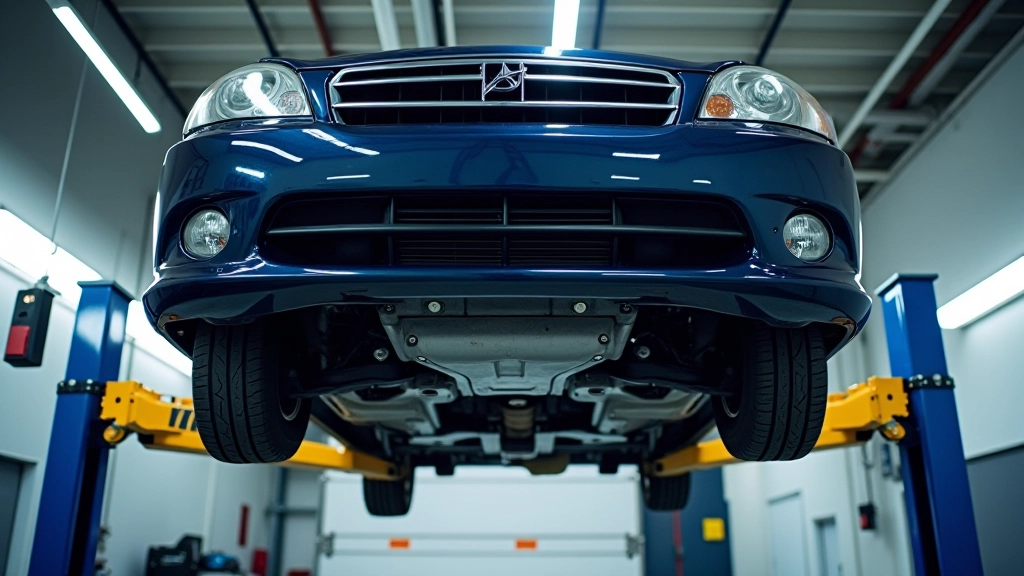
When you notice these signs, get the suspension inspected. A proper inspection takes about 30-45 minutes and involves putting the car on a lift, checking for movement in the shocks and springs, looking at wear on components, and testing the steering response. The technician will look for leaking shock fluid, bent control arms, worn bushings, and broken springs.
Replacement typically includes shocks, struts, or springs depending on what's worn. Most modern cars need all shocks replaced together — replacing just one side creates an imbalance. Springs often last longer but can break suddenly, especially on vehicles that carry heavy loads regularly or drive on rough roads.